


When to Use Wave Soldering
The wave soldering process is commonly used for through-hole components and selected mixed-technology PCB assemblies. It can create many solder joints in one controlled pass.
However, the board design and component layout must suit the process. Before production, confirm lead spacing, bottom-side clearance, pallet needs, thermal limits, and solder-mask design.
A clear review at this stage prevents costly changes after the line is already running.
Step 1: Flux and Preheat Control
First, flux is applied to prepare the solder surfaces. The amount must be controlled. Too little flux can lead to poor wetting, while too much can leave residue or create process instability.
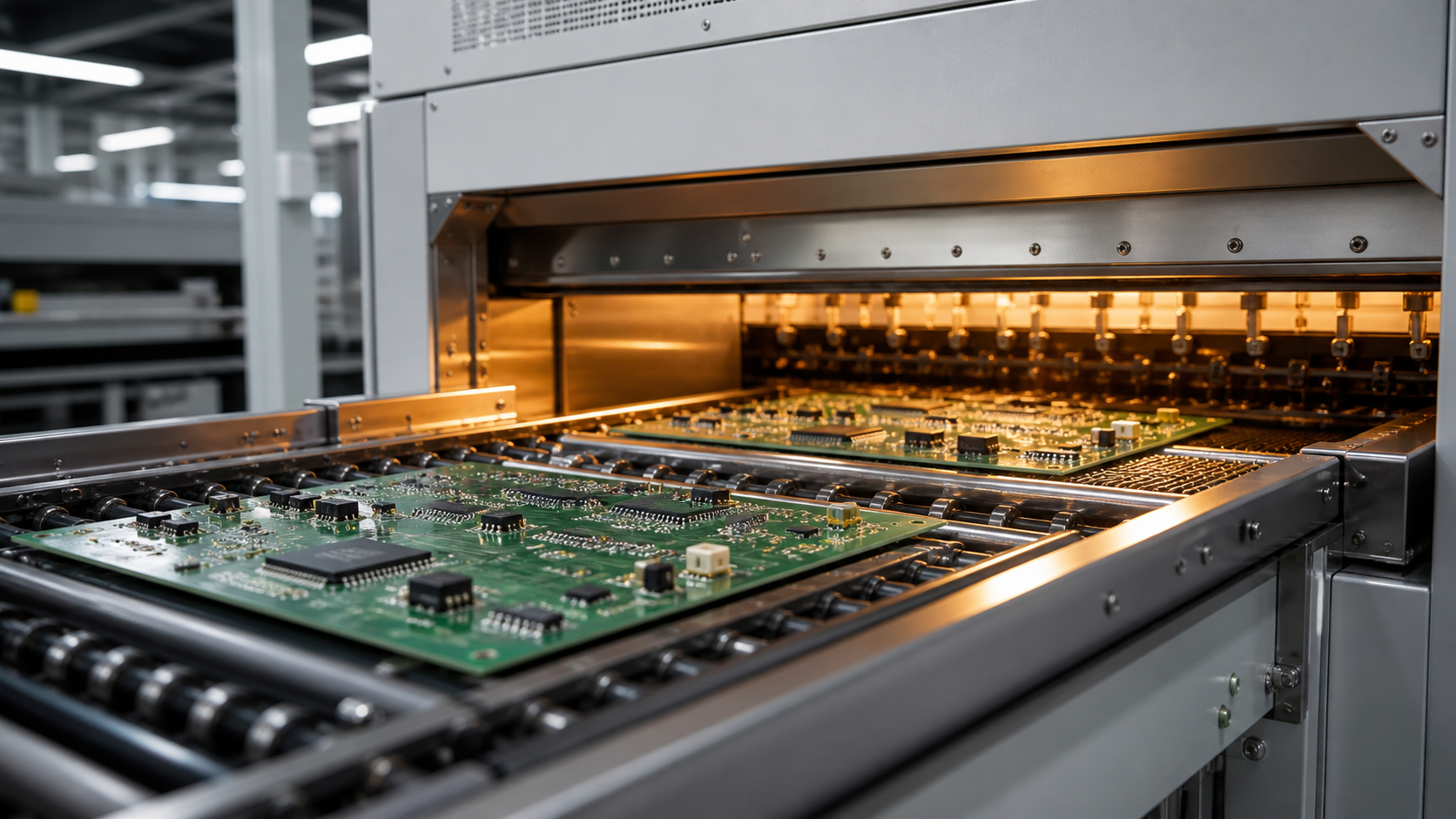
Next, the board enters the preheat zone. Preheat activates the flux and reduces thermal shock. It also helps the PCB reach a stable temperature before it reaches the solder wave.
Therefore, operators should verify flux coverage, preheat settings, and conveyor speed for each product family.
Step 2: Control the Solder Wave
The solder wave forms the joints between the PCB pads and component leads. Key settings include solder temperature, wave height, conveyor angle, contact time, and board speed.
Start with the component and PCB requirements. Then use trial boards to refine the profile. Keep records of approved settings so the line can repeat the result during later production runs. Good line integration also matters. A complete SMT line solution should manage PCB transfer, upstream placement, and downstream inspection as one process.
Step 3: Inspect and Correct Defects
After soldering, inspect for bridges, insufficient solder, icicles, skips, and poor hole fill. Visual checks may be enough for simple boards. For higher-risk products, use a defined inspection plan and functional testing.
Then connect defect findings back to the process. For example, repeated bridges can point to wave settings, board design, flux, or conveyor speed. This feedback loop helps the team fix the cause instead of increasing rework.
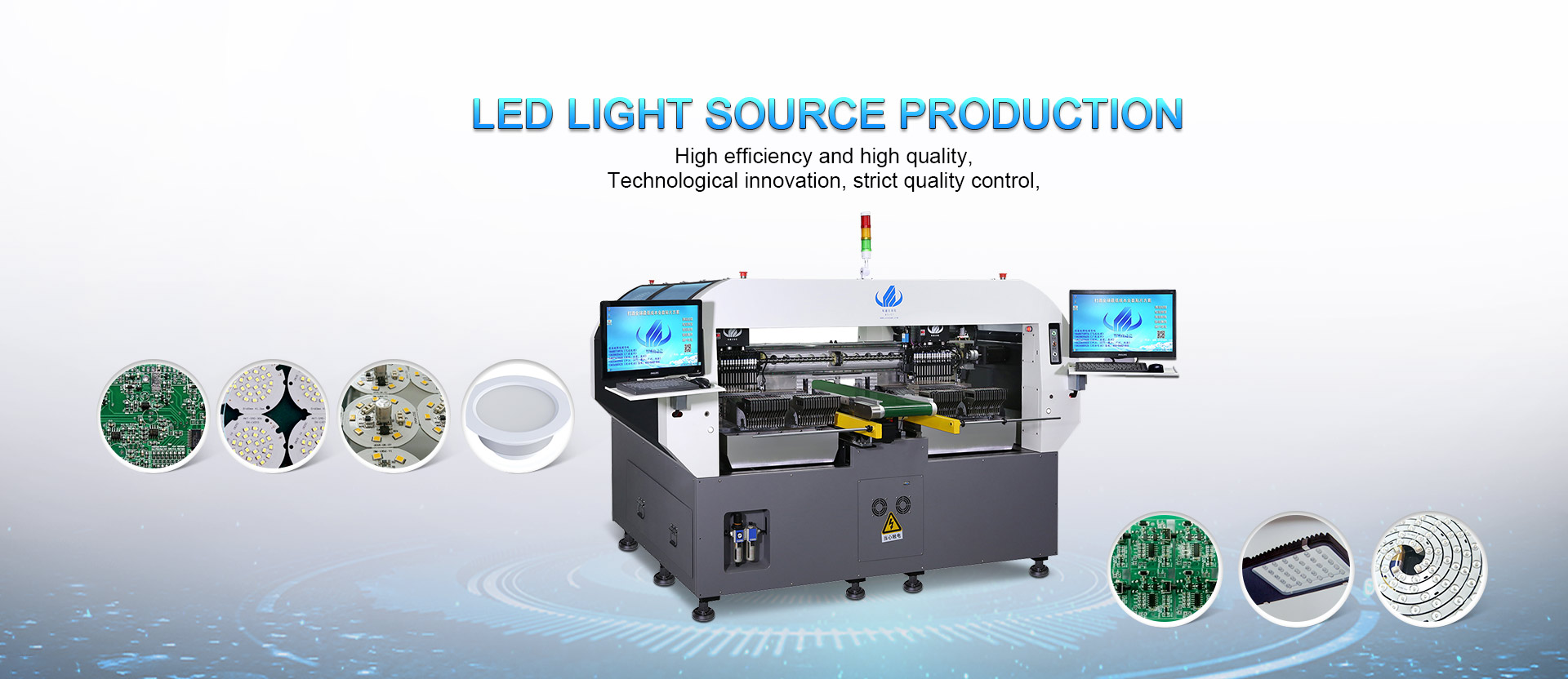
For related high-speed placement and line equipment, see the ETON SMT equipment range.
How to Prepare a New Product
Before a new product trial, prepare the Gerber files, BOM, PCB drawings, component data, solder specification, planned output, and acceptance criteria. Also identify any sensitive components or areas that need a pallet.
Finally, record the approved process window. It should include flux, preheat, solder temperature, conveyor speed, inspection points, and rework rules. This creates a repeatable wave soldering process for future orders.
Conclusion
Reliable wave soldering depends on controlled flux, preheat, solder-wave settings, inspection, and feedback. When these controls are documented and reviewed, factories can improve yield and reduce rework.
For additional ETON equipment information, visit the ETON Automation official website.
Post time: Aug-13-2026