
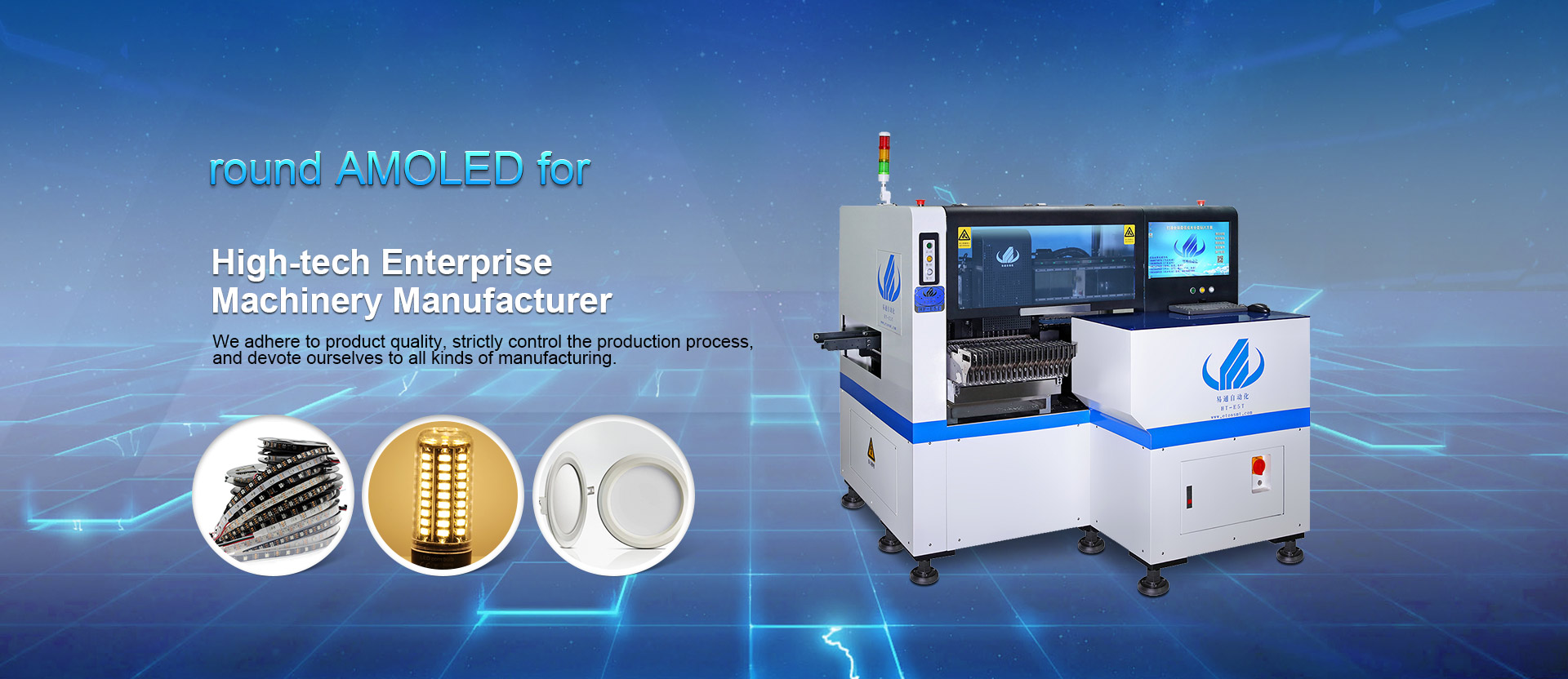
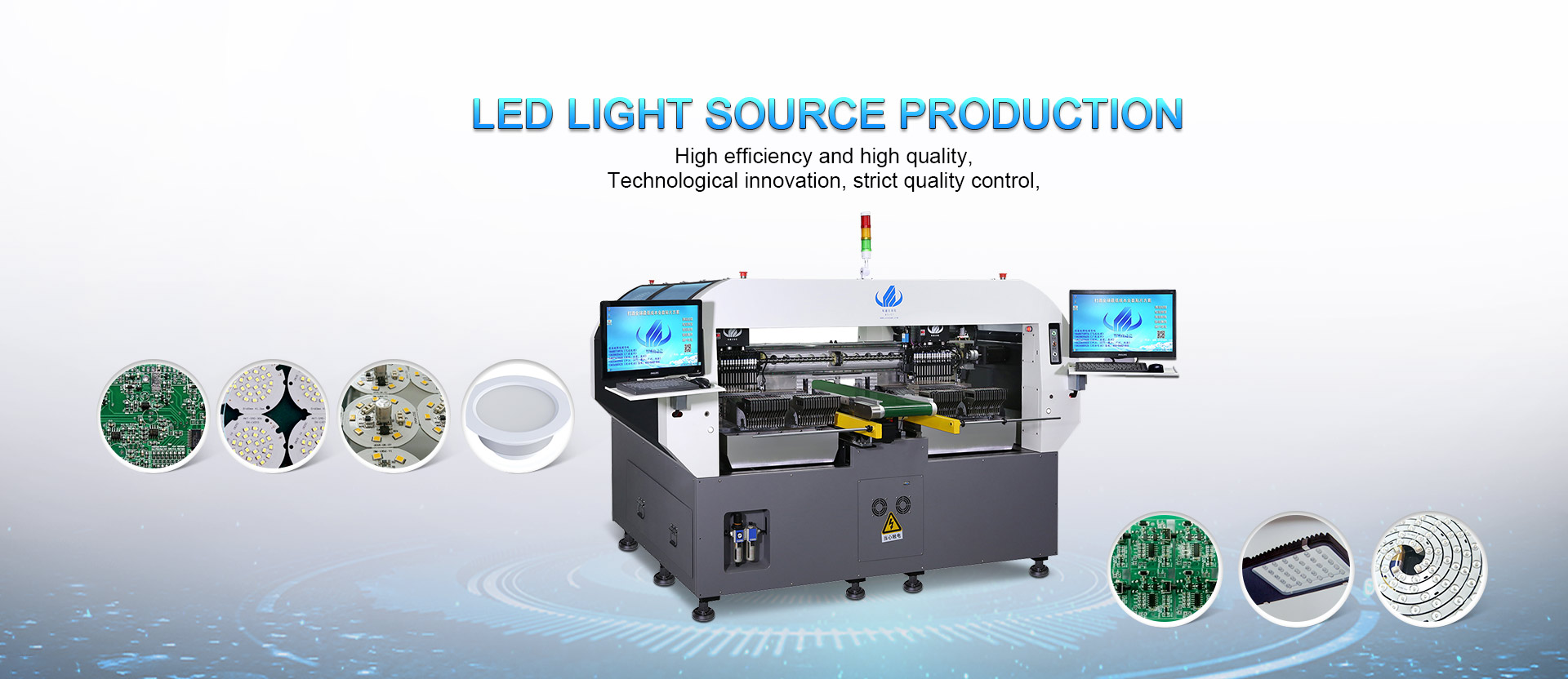
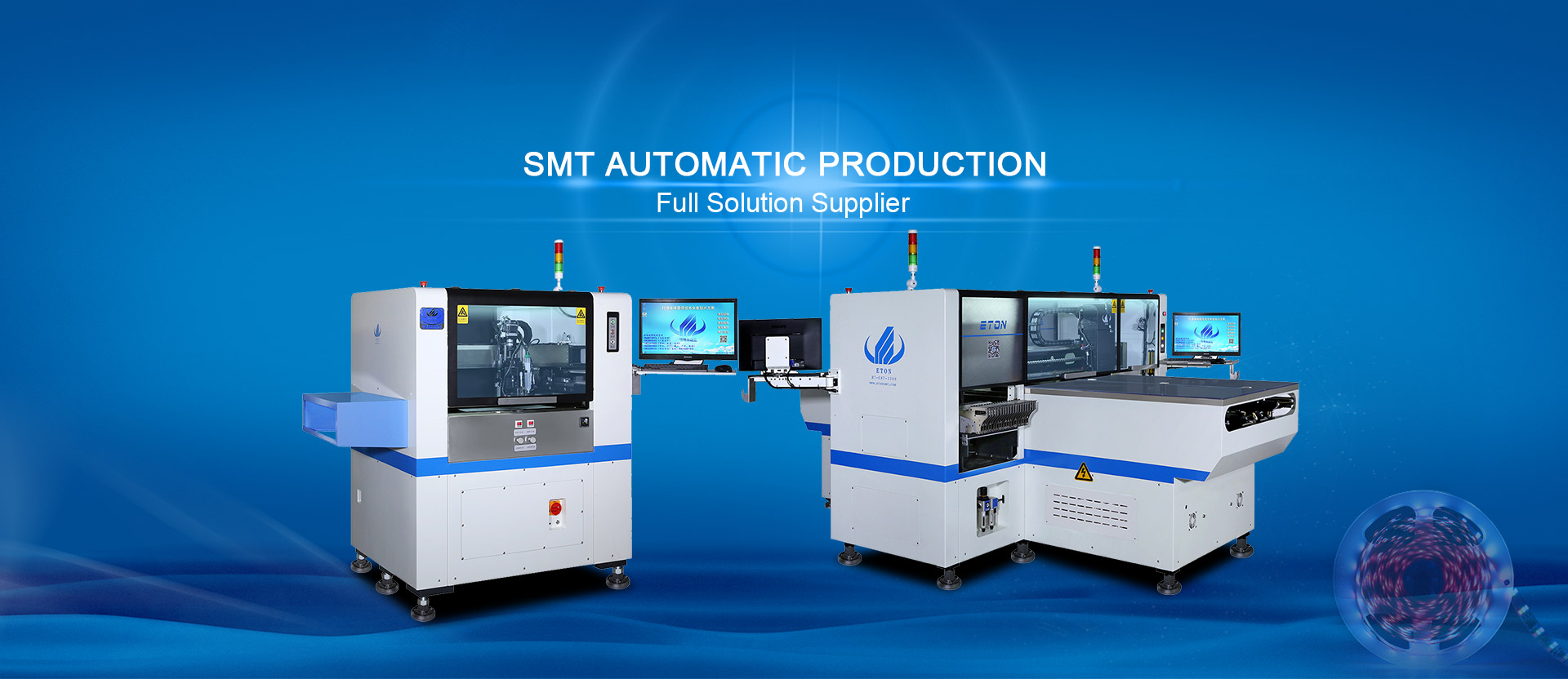
A new SMT factory needs more than a list of machines. It needs a complete production plan. This plan must connect the product, workshop layout, process flow, operators, quality control, and future capacity. This is the real value of an SMT turnkey solution.
A complete project should cover the customer application, equipment configuration, installation, training, and trial production. Therefore, buyers should plan each stage before ordering the equipment.
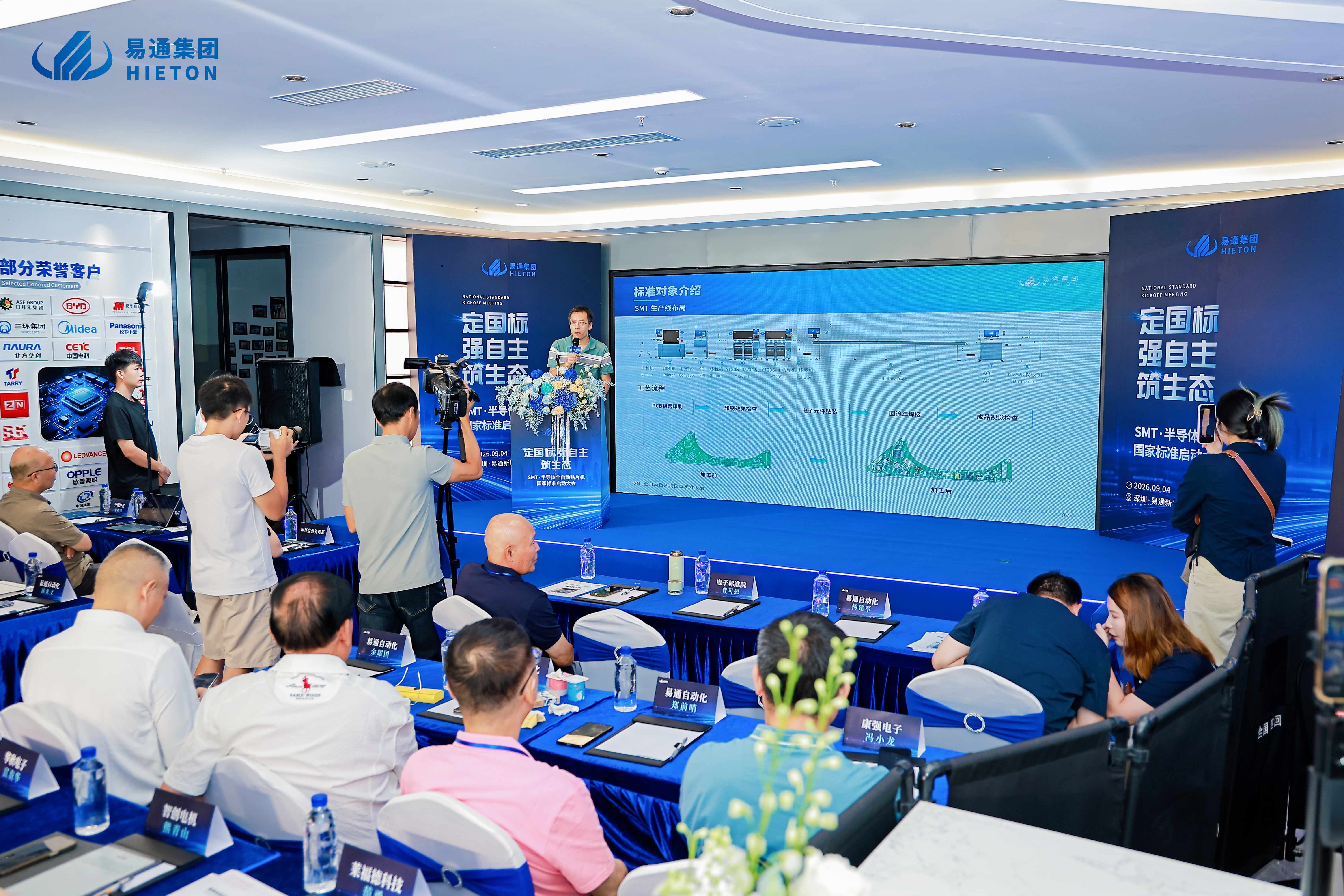
ETON presents a complete SMT production line process during an industry event.
What an SMT Turnkey Solution Should Include
A practical SMT turnkey solution usually starts with PCB loading and solder paste printing. Next, SPI can inspect the printing result. The line then moves through component placement, reflow soldering, AOI, and unloading.
In addition, some factories need coating, dispensing, labeling, or manual assembly. The exact equipment depends on the product and its quality requirements.
First, engineers must check the PCB data. They need the PCB size, panel design, component package range, BOM, and production target. They must also confirm the required inspection level.
Without this information, a machine list may appear complete. However, it may not support the buyer's actual production needs.
How an SMT Turnkey Solution Supports a Stable Factory Startup
A stable startup begins with line balance. The printer, mounting machine, reflow oven, and inspection equipment must work at a similar pace. Otherwise, one machine may slow down the whole line.
For example, a fast mounter cannot improve output if the printer cannot supply boards in time. Likewise, unstable reflow settings may create defects after accurate placement. Therefore, the complete process must be checked as one system.
The workshop layout is also important. It should support smooth material flow and safe operator movement. Moreover, engineers need enough space for maintenance and future expansion.
This planning is especially useful for factories that expect to add new products later. A flexible layout can reduce the cost of future changes.

SMT turnkey solution factory demonstration with ETON equipment
Installation, Training, and Process Handover
A complete SMT turnkey solution should include installation, debugging, trial production, and operator training. First, engineers install and connect the machines. Next, they check board transfer, equipment communication, and basic process settings.
After that, the team can begin trial production with the buyer's real PCB. During this stage, engineers adjust feeder positions, nozzles, mounting programs, oven profiles, and inspection settings.
Training should cover more than basic machine operation. For example, operators should learn feeder preparation, nozzle selection, daily maintenance, alarm handling, and first article inspection.
As a result, the factory team can operate the line more independently. They can also find common problems before those problems affect a large production batch.
How to Prepare for an SMT Turnkey Solution Discussion
Buyers should prepare the following information before requesting a proposal:
- PCB files, BOM, and product photos
- Target capacity and daily working hours
- Workshop layout and available production space
- Power supply and air pressure conditions
- Required production and inspection processes
- Current quality concerns or common defects
- Future products planned for the same line
With this information, ETON can check the required machine speed, feeder capacity, conveyor width, oven configuration, and inspection points. In addition, the engineering team can identify possible bottlenecks before production begins.
Plan Your SMT Turnkey Solution with ETON
ETON can prepare production line plans for PCBA, LED lighting, consumer electronics, automotive electronics, and semiconductor-related applications. Each proposal is based on the buyer's product, capacity target, factory conditions, and quality requirements.
For factory events and technical updates, follow ETON on LinkedIn.
Send ETON your PCB files, BOM, workshop layout, and output target. Our engineering team will prepare an SMT turnkey solution with a suitable equipment configuration, line layout, and quality control plan.
Post time: Sep-17-2026