
Why loading affects SMT quality
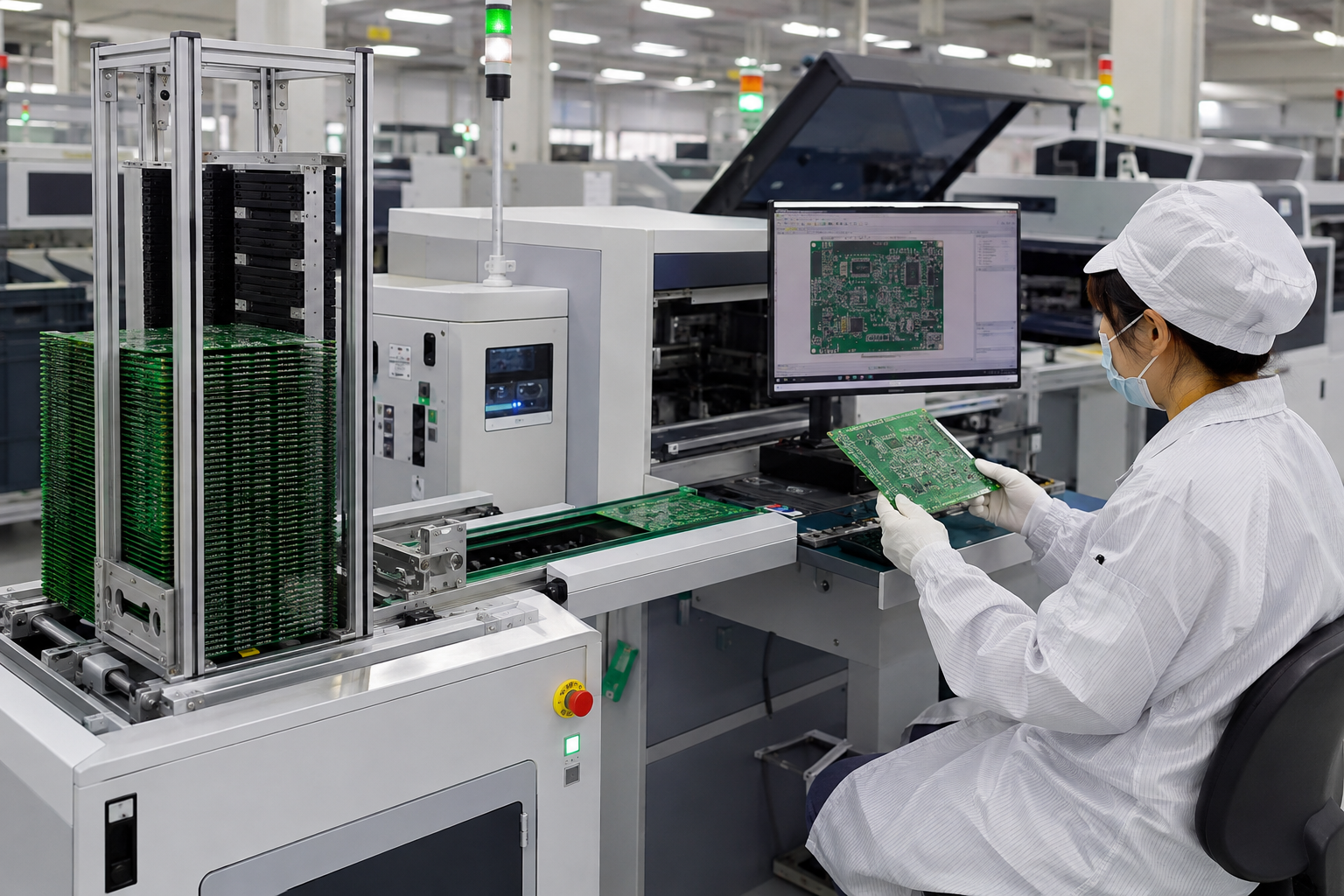
SMT PCB loader with quality control is a small topic with a big impact. Many factories focus on the printer, placement machine, and reflow oven. But poor board loading can still cause scratches, jams, wrong direction, and unstable line flow.
A good loader keeps PCB panels moving into the line at a steady pace. It also protects boards before printing. For high-mix production, this helps reduce waiting time and operator mistakes during model changeover.
Where quality control should start
Quality control should not begin only after reflow. It should start when the board enters the line. Operators need to confirm board direction, panel condition, barcode rules, and first article setup before mass production.
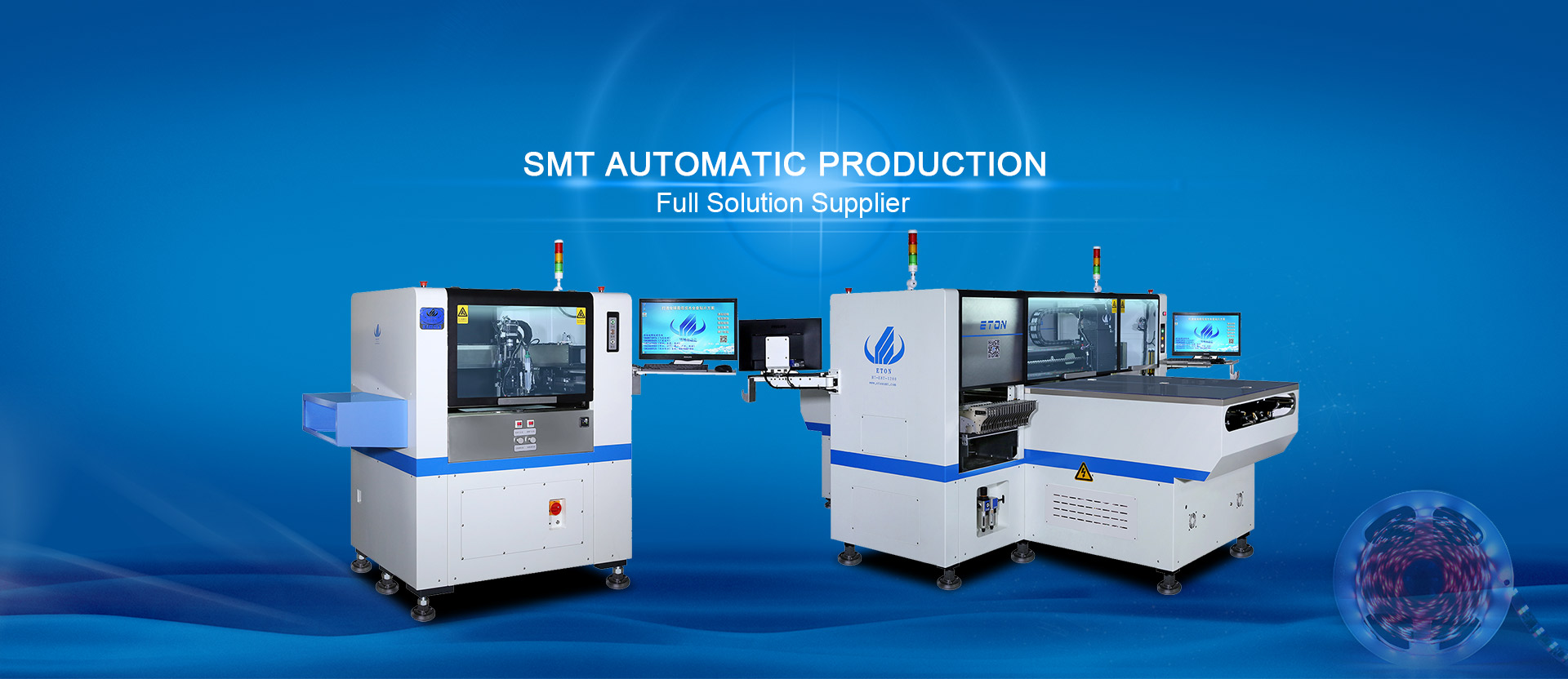
A complete SMT line solution can connect loading, printing, placement, reflow, AOI, and unloading. When each section shares the same production logic, the line is easier to control.
The loader can also work with conveyors and inspection points. This gives operators time to find bent boards, wrong panels, or handling problems before they create larger defects.
What to check before buying
Before choosing an SMT PCB loader with quality control, check the PCB size range, panel thickness, magazine size, conveyor height, transfer direction, and communication signal. These details decide whether the loader will match the current line.
Factories should also review their defect history. If most problems happen at the line entrance, the loading method, board support, or operator check process may need improvement.
For B2B buyers, real factory videos are useful because they show how equipment works in a complete process. ETON shares machine and factory updates on LinkedIn for this reason.
Final suggestion
SMT PCB loader with quality control is not just an accessory. It is part of stable SMT production. Send your PCB size, magazine requirements, line layout, and quality pain points. ETON can suggest a loader and inspection plan that fits your production line.
Post time: Sep-03-2026